What to check before booking a barcelona city tour
Booking a barcelona city tour is simple on the surface. You pick a date, choose a time, and look forward to a day in a city layered with Roman walls, Gothic lanes, modernist buildings, and seaside views. The details matter, though. Barcelona rewards planning, and a few careful checks before booking can prevent a rushed start, a missed entry, or a route that does not match your interests.
The best starting point is not the price or the picture on the booking page. It is the shape of the day. Think about what you want from the experience: broad orientation, famous landmarks, local neighbourhoods, food, architecture, history, or a mixture. A city tour can cover a lot of ground, but it cannot give deep attention to everything. Clear expectations make the choice easier and the day more enjoyable.
Start with the route and the pace
Read the route as a practical plan, not as a list of attractive names. Check which districts and landmarks are included, and how much time is spent moving between them. Barcelona is compact in some areas and surprisingly tiring in others, especially when the route includes steep streets, long open squares, or crowded passages. A tour that looks short on a map can still feel full if it includes several stops with separate entry points.
Pay attention to the balance between walking, stops, and free time. Some travellers enjoy a steady route with a guide filling in the context along the way. Others prefer longer pauses for photos, coffee, or wandering. If the day is described as panoramic, expect more viewing from the outside. If it mentions interior visits, check which interiors are included and whether entry is timed.
Pace is especially worth considering in warm months. Midday heat changes how a city feels, and a route that includes exposed areas can be harder than one that moves through shaded streets. If the day is flexible, earlier departure times often suit sightseeing better. That is a general travel point rather than a promise about any one route, but it helps when comparing options.
Check what is included and what is not
Inclusions are where two similar looking city tours can differ sharply. Look beyond the headline and confirm the basics: the meeting point, the length, the language, transport if mentioned, and any entries or activities included. If a landmark appears in the description, decide whether the tour goes inside or simply stops outside. Both can be worthwhile, but they are not the same experience.
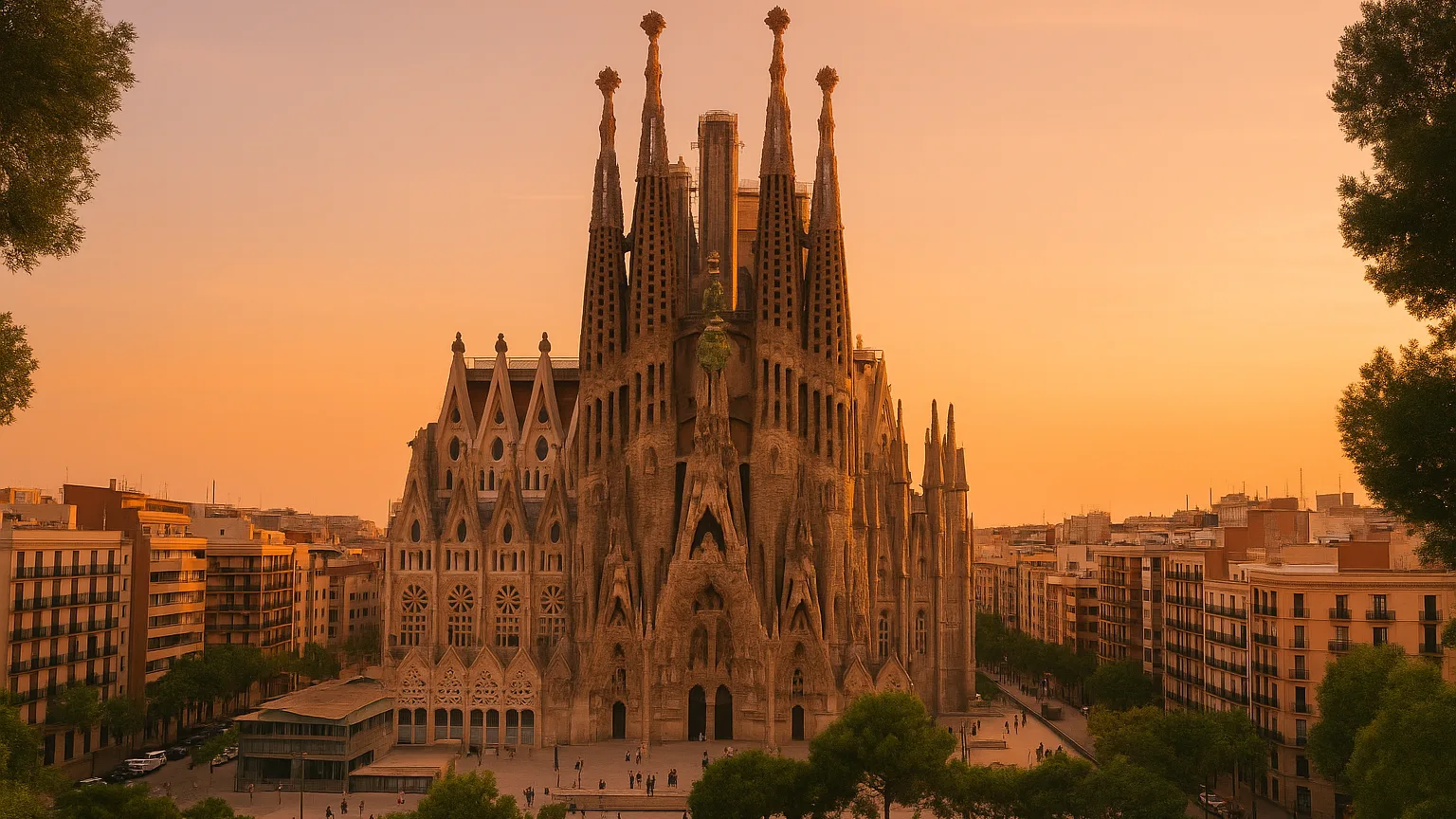
Also check what happens during breaks. Some tours include a pause for lunch or a tasting, while others leave that time open. If food is part of the experience, look for details about what type of stops are used and whether dietary needs can be handled in advance. If food is not included, plan where you might eat so the day does not depend on finding a table at the busiest moment.
When comparing pages, citytourinbarcelona.com can be one reference point among others for checking how the day is described. The useful habit is to compare like with like: same route type, same duration, same inclusions, and same kind of group setting. That makes the differences easier to judge.
Look closely at the meeting point and timing
A good tour can start badly if the meeting point is hard to find or too far from where you are staying. Check the exact location, nearby transport, and whether the point is a named place, a square, a station exit, or a street corner. In central Barcelona, similar names and busy intersections can cause confusion. Save the address before the day and allow time to arrive without rushing.
Timing also deserves attention. Confirm the start time, the expected finish time, and whether the end point differs from the start. This matters if you have a later train, a restaurant booking, or a family commitment. A tour that ends across town may still be convenient, but only if you know that in advance.
Before booking, check the date and local conditions. Public holidays, major events, and busy weekends can change traffic, crowd levels, and access around popular areas. A city tour may still run, but the feel of the streets can be different. If your dates fall near a major celebration, leave more flexibility in the day.
Understand the language and group format
Language is more than a line in a listing. If the tour is described in one language, assume that the main narration will be in that language unless stated otherwise. Some routes use multiple languages, which can mean repeated content or a more mixed pace. If understanding the commentary is central to your enjoyment, confirm this before booking rather than hoping it will work out.
Group size and format also shape the day. A small group can feel easier in narrow streets and crowded sites. A larger group may move more slowly at stops and require more time for gathering. Private formats offer more control over pace and focus, while shared formats tend to have a fixed structure. Neither is automatically better. The right choice depends on how you like to travel and how much flexibility you want.
Questions about accessibility should be handled with equal care. If you need step free movement, regular seating, or a gentler pace, check what the route involves before booking. Historic centres often have uneven paving, kerbs, stairs, and crowded sections. When in doubt, ask for specifics instead of relying on a general label.
Check entry rules and timed visits
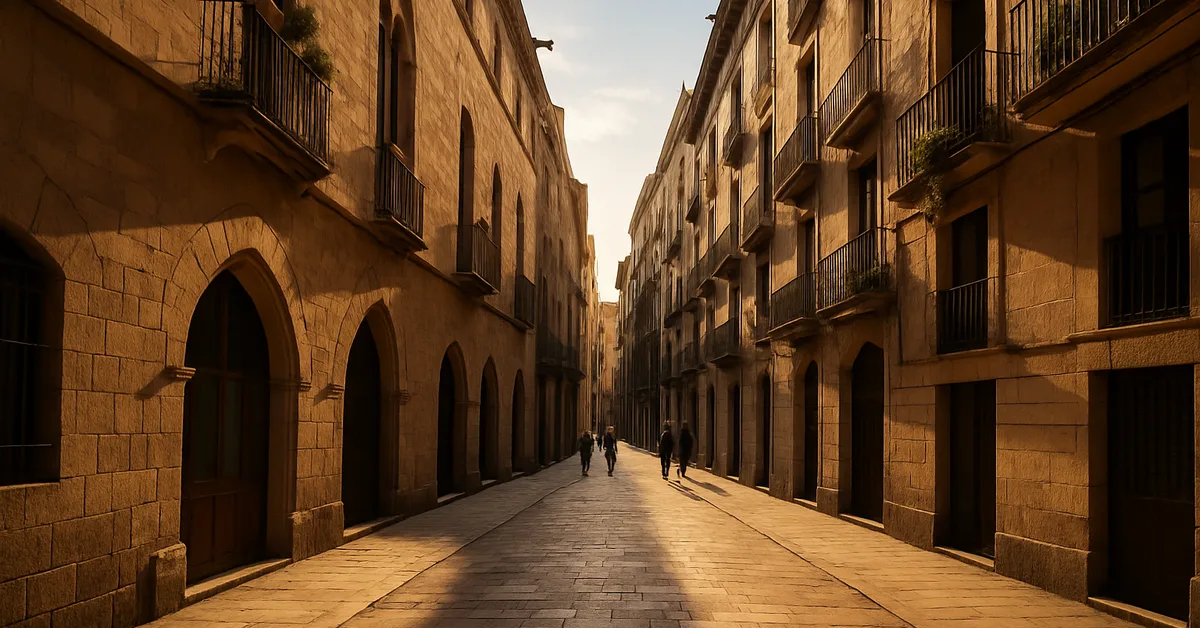
Some of Barcelona's best known sites use timed entry or controlled access. If a city tour includes an interior visit, check whether the booking covers the entry or whether you need to arrange it separately. Also check what happens if the site changes access at short notice. A flexible itinerary may replace one stop with another, while a fixed itinerary may be more affected.
A short list of questions can clarify most of this before payment:
- Does the tour enter the sites named in the description, or only see them from outside?
- Are any entries pre arranged, and do they require separate time slots?
- What is the plan if a site is closed or access changes?
- Are there dress rules, bag checks, or restrictions at any stop?
These details are easy to overlook because they sound minor. On the day, they can decide whether you spend time inside a landmark or waiting outside it.
Read the cancellation and change terms
Travel plans shift. Weather, flights, train delays, and illness can all interfere. Before booking, read the terms for changes and cancellations with the same attention you give the route. Look for the deadline, how changes are made, and whether different rules apply close to the start time. Clear terms are useful because they set expectations for both sides.
Also check what confirmation you receive after booking. Keep the details in one place, including the date, start time, meeting point, and any reference information. A short message from a travel provider is not the same as a full itinerary, so make sure you know what is planned. If something is unclear, resolve it before the day rather than trying to fix it at the meeting point.
Judge the value beyond the headline
Price is a fair part of the decision, but it should be read alongside what the tour actually offers. Consider the length, the depth of the route, the language, the group size, the inclusions, and the convenience of the start and finish points. A shorter tour can be good value if it fits your schedule well. A longer tour can feel poor value if much of it is spent standing still or moving between distant stops.
Think about your own priorities too. A first visit may benefit from a broad route that explains the city's layout and main districts. A return visit may be better with a focused theme, such as architecture, food, or neighbourhood life. If you already know what you want to see, choose a tour that respects that instead of one that tries to cover everything.
Brand names can help you keep track while comparing options. City Tour in Barcelona is one name you may come across, and the same checks still apply: route, timing, inclusions, language, group format, and terms. A familiar name is not a substitute for reading the details.
Match the tour to the rest of your day
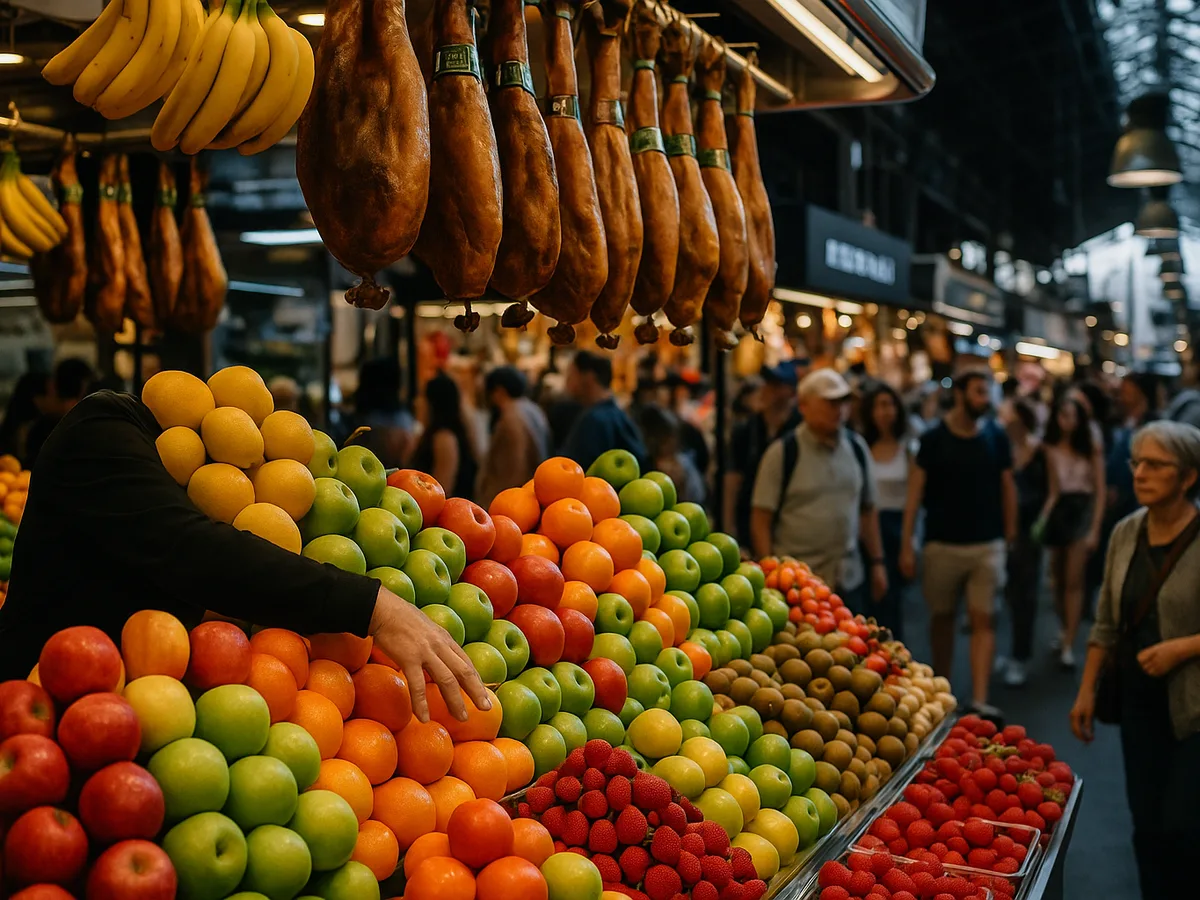
A barcelona city tour works best when it fits around your other plans rather than crowding them. Leave breathing room after the finish time, especially if you want to linger at a stop or eat somewhere unhurried. Barcelona invites detours, and some of the most memorable moments come from a quiet street, a courtyard, or a view you did not plan in advance.
Check the weather near your date and pack for walking. Comfortable shoes matter more than a smart outfit. Sun protection, water, and a light layer can make a long day easier. In wet weather, covered arcades and indoor stops become more appealing, while open viewpoints lose some of their charm. If the forecast looks poor, look at how the tour handles bad weather or whether another date is possible.
Finally, be honest about energy levels. Arriving after a late flight or a long journey can make even a central route feel demanding. If the tour is a major part of a short trip, place it where you are most likely to enjoy it. The aim is not to collect as many sights as possible. It is to understand the city well enough that the rest of your time there feels easier to explore.
Before you confirm, revisit the basics one last time: the route, the inclusions, the meeting point, the finish time, the language, the group format, and the booking terms. These checks take a little attention, but they prevent most common disappointments. A well chosen barcelona city tour gives shape to the city and leaves room for discovery, which is exactly what a good day in Barcelona should do.